Is Warhammer 40,000 set to become the biggest sci-fi IP ever?
Warhammer 40,000 is something you have likely heard of these days. It’s a sci-fi IP with a lore so expansive it might have made Tolkien blush. What started as a game of toy soldiers now has the potential to become one of the biggest sci-fi IPs of all time. How does a plastic miniature company go from 32mm models to dominating pop culture? The classic way of growing an empire: expansion.
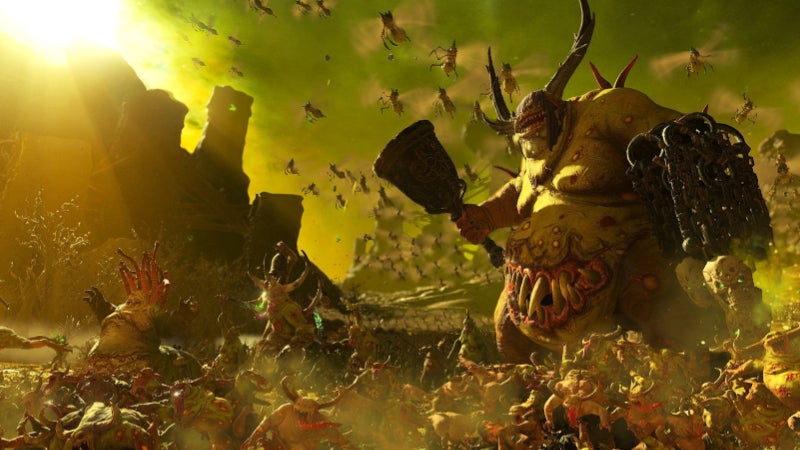
Like a civilisation from a 4X game, Games Workshop has been distributing Warhammer 40,000 across many mediums. This isn’t anything new, as the oldest video game for the studio dates back to 1993 with Space Hulk on the Amiga. Since then, that catalogue has grown to include over 100 video games within the Warhammer franchise. In recent years, Total War: Warhammer and Space Marine 2 have been massive hits. So much so that the setting of Total War: Warhammer was resurrected on the tabletop as The Old World, a setting Games Workshop replaced with Warhammer: Age of Sigmar years ago. Space Marine 2 did two key things: it revived the Xbox 360 era of gaming, to many players' delight, and it brought Warhammer 40,000 into the spotlight like never before.
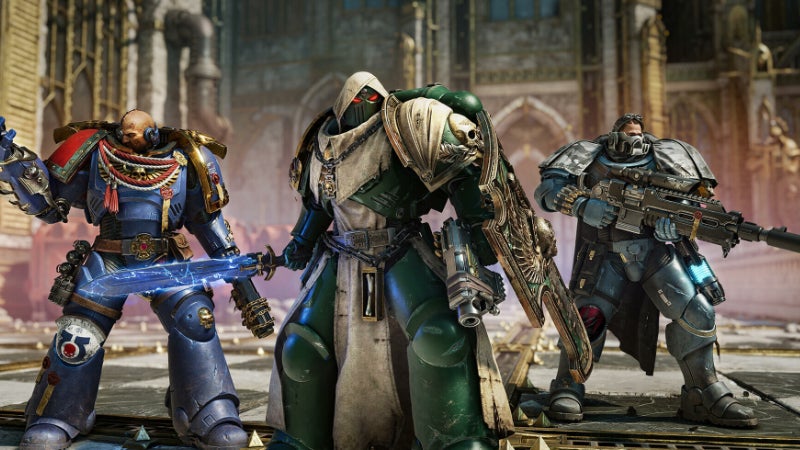
Space Marine 2 was a pivotal moment for Warhammer 40,000. The game gripped audiences from outside the IPs usual reach because of its throwback to the 360 era. As a Warhammer fan, and a Space Marine hater (please release more models for my factions), that didn’t stop me enjoying being a power-armoured warmachine. Even my friends, who have no connection to the hobby at all, played and loved Space Marine 2. It’s not hard to believe that Games Workshop capitalised on this surge in popularity. Secret Level, the animated Amazon TV Show, featured a Space Marine 2 episode. These days, Warhammer animations are restricted to Warhammer+, Games Workshop's monetised content platform but Space Marine 2 was popular enough to break through that. It even influenced the tabletop game. Late last year, a huge surge of Ultramarine releases stomped their way across the tabletop. Titus and the gang became immortalised in battle, and most importantly, Titus gained a promotion: he is now Captain Titus. The lore of the video game has moved forward within the tabletop.
How does this empire keep expanding to reach the pinnacle of sci-fi franchises? Television and film. The most recent example of this in modern cinema is the Marvel franchise. Like Warhammer, Marvel started out in a niche. It branched into other mediums like video games and films, but it wasn’t until it pulled the lever of a cinematic universe that Marvel became the titan it is (or was depending on perspective) today. It’s believed that Games Workshop and Amazon are going to do the same thing, and in a few years time we will have the birth of a Warhammer Cinematic Universe. Early signs of this have proven that both companies are smart about this. The “King of Nerds”, Henry Cavill, a huge Warhammer fan, is attached to the project. Fans trust him because he speaks so openly of his love of the franchise and he was a stalwart protector of The Witcher before his departure.
An ever-growing tabletop game, hugely popular novels, major lore YouTubers, and hit video games - there is one final piece for cultural dominance. The biggest sci-fi franchise of all time, Star Wars, has faltered in the last decade. The throne is there for the taking. If Amazon can pull this off, Warhammer 40,000 could echo through pop culture for decades to come. Just like Marvel did.
- Nicholas Christensen-Secker


Alienware Returns to San Diego Comic-Con
Alienware is back at SDCC for the first time since 2018

Nostalgic charm and the re-rise of Rubber Hose Animation
We delve into Rubber Hose nostalgia amidst the release of Mouse P.I. For Hire


Now Building: Alienware Retro Brick Kits!
TL;DR: Alienware announces the introduction of two new brick kits, made with Authentic Lego® bricks, which join the Area-51 desktop and desk in our community brick kit lineup

Optical vs Mechanical Mouse Switches: Which Is Faster?
Optical vs Mechanical Mouse Switches: Which Is Faster?

Why OLED gaming monitors have incredible HDR and contrast
Why OLED gaming monitors have incredible HDR and contrast